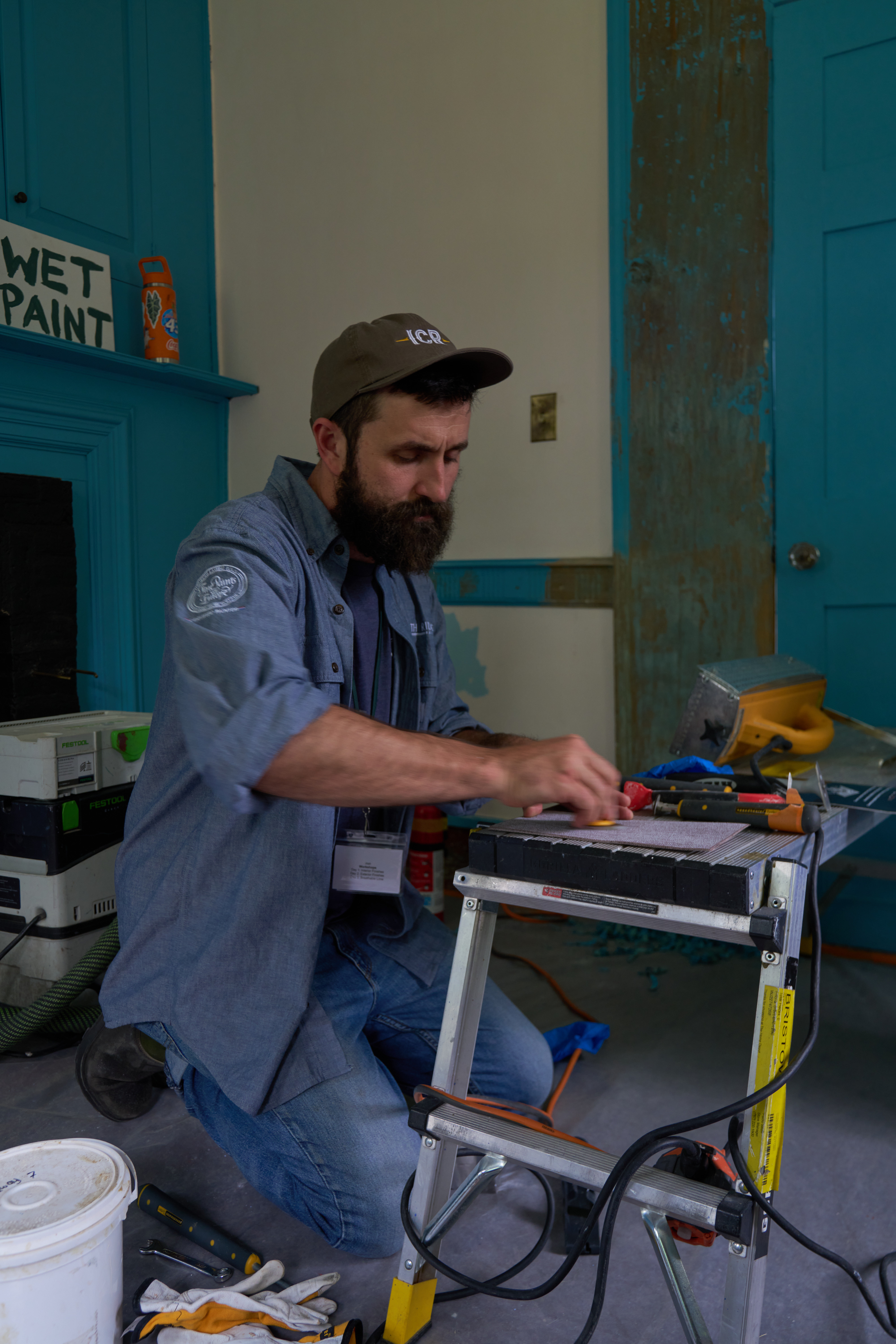
The Castle Workshops

Historic buildings are among our greatest teachers.

Every timber bears the mark of a craftsperson's hand. Every plaster wall, window sash, and painted surface tells a story of the people who built, maintained, and lived within these places over generations. Yet the skills required to care for these buildings are increasingly rare, passed on through too few hands and practiced in too few places.

The Castle Workshops were established to help change that. Hosted by Brouns Galloway Hayward at the Benjamin Bosworth House—known locally as The Castle—in Eastford, Connecticut, these workshops provide an opportunity to learn traditional building crafts through direct experience.

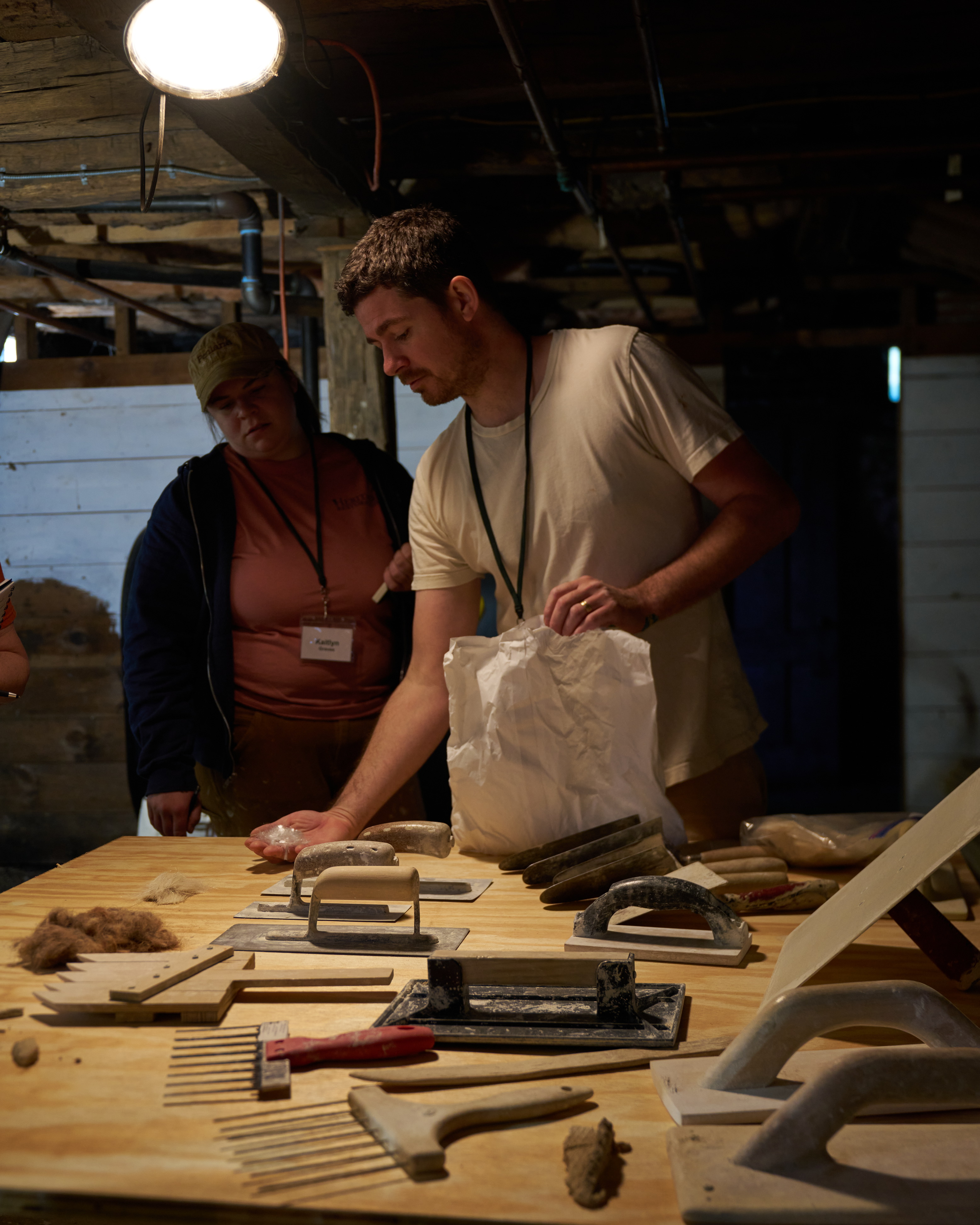
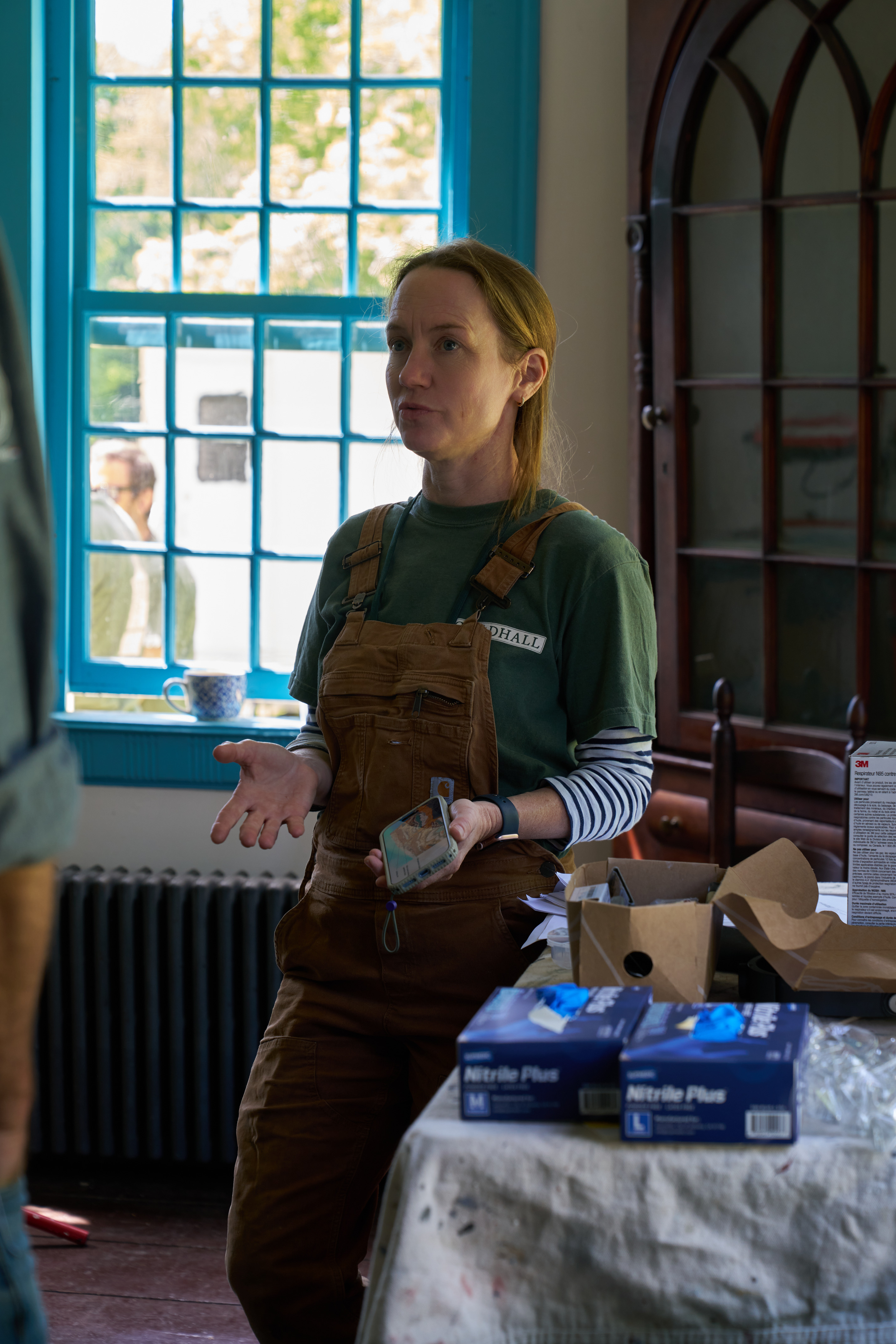
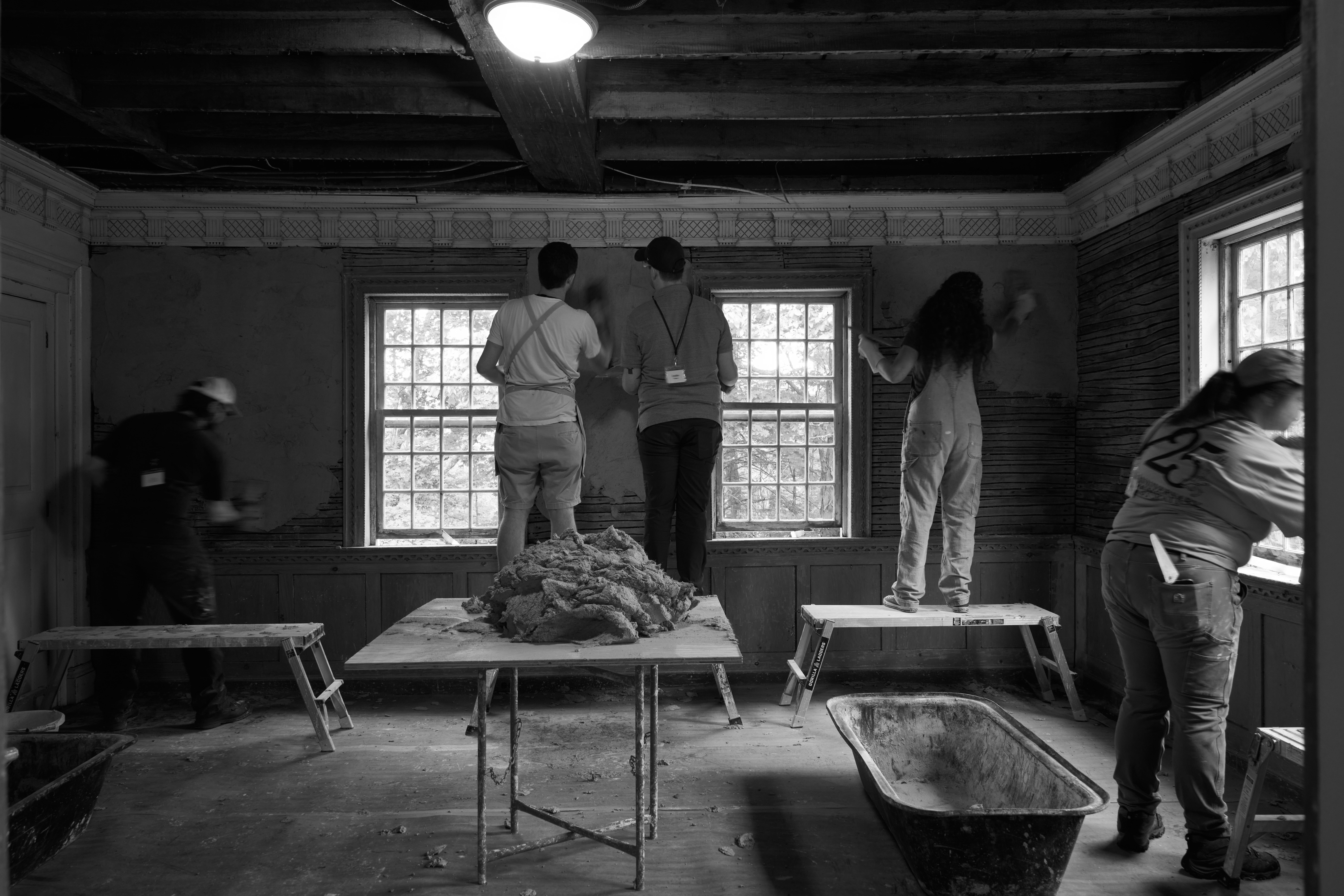
Participants work alongside preservation professionals and skilled tradespeople, learning not only how historic materials were used, but why they have endured.

Three Day Hand on Training

October 16-18th 2026

The Event:

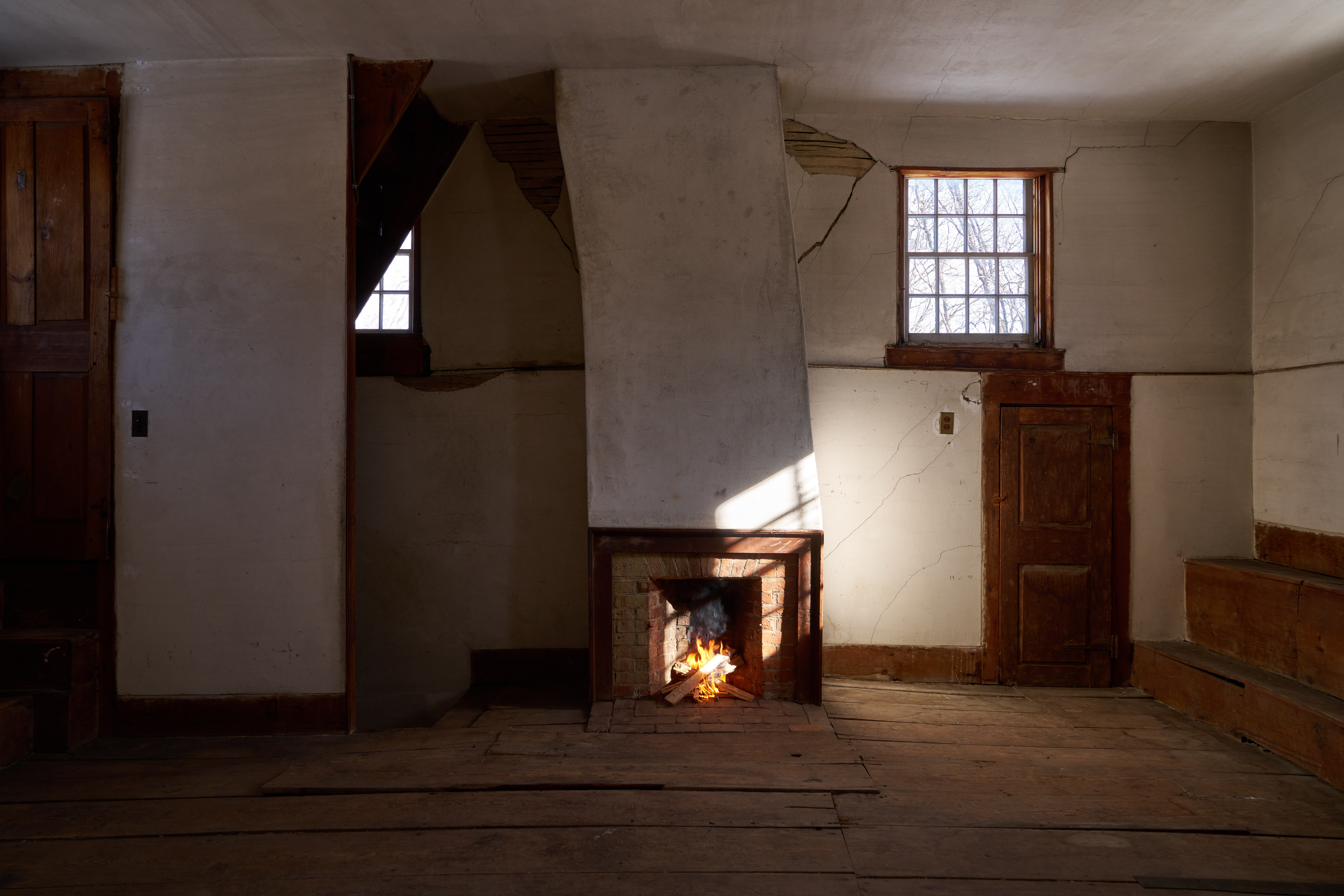
This three-day immersive training program combines expert-led instruction with extensive hands-on practice. Held at The Castle, a late eighteenth-century former Masonic Lodge, the program takes place within the bucolic New England landscape of Connecticut's Quiet Corner. As a remarkable example of early American craftsmanship and domestic architecture, The Castle provides an inspiring setting in which to learn traditional preservation skills.

The Castle's remarkably intact historic fabric, together with its generous indoor and outdoor work areas, creates an ideal environment for hands-on instruction. Participants may register for one of three training tracks, each running continuously throughout the full three-day program and offering in-depth exploration and skill development under the guidance of experienced practitioners.

The Castle Workshops are more than a training program; they are a gathering place for those who value craftsmanship, stewardship, and the continuity of traditional knowledge. Homeowners, tradespeople, preservation professionals, students, and enthusiasts come together to learn from one another while contributing to the ongoing care of a significant historic building.

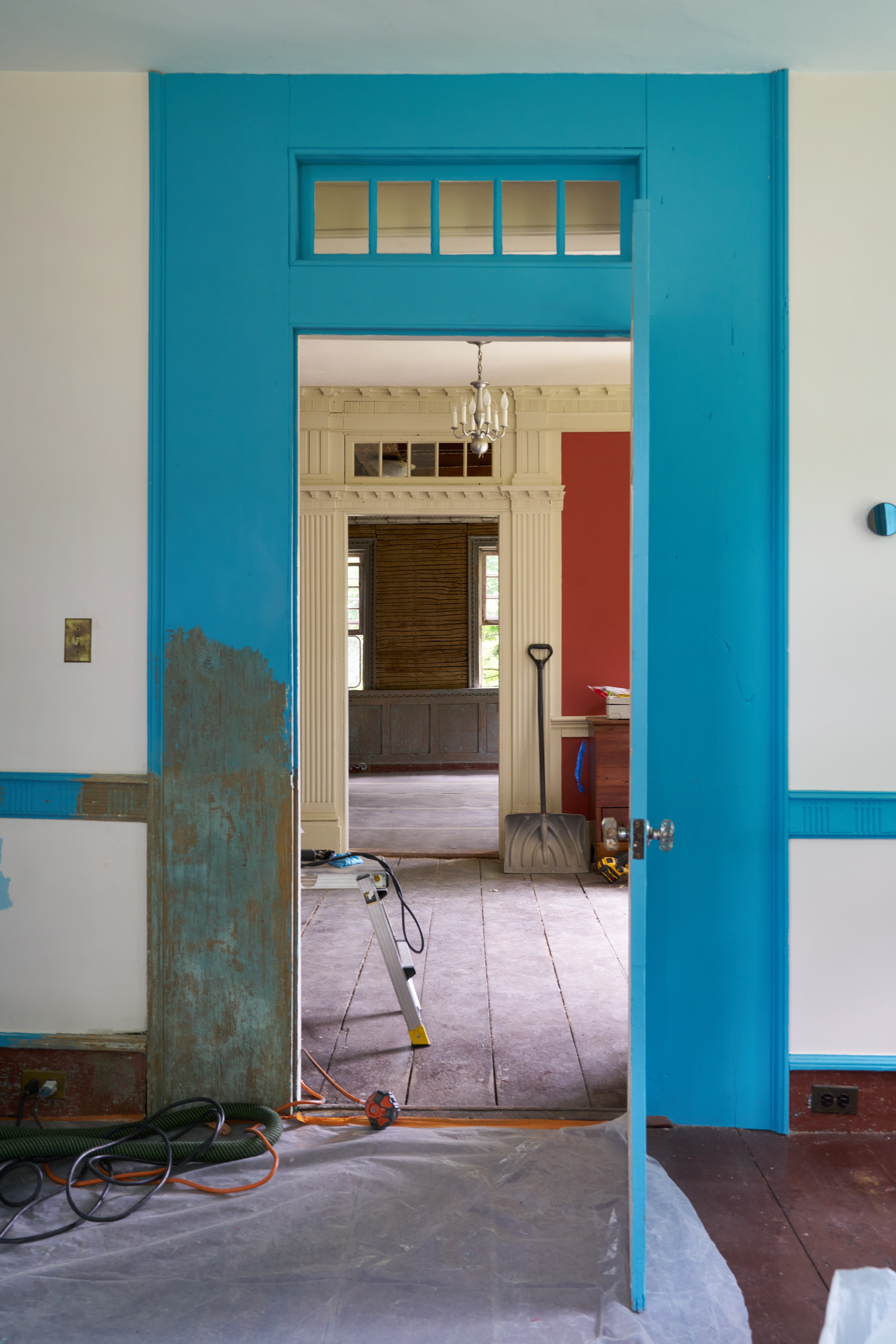
The Castle itself is both classroom and teacher. As a historic house undergoing thoughtful restoration, it offers an authentic setting in which traditional skills can be practiced, understood, and passed on to future generations.

We invite you to join us in preserving not only historic buildings, but also the knowledge, techniques, and values that make their preservation possible.

Track one: Flooring and historic woodworking

The first track will be with renowned English Carpenter. Learn to restore flooring and decorative woodwork with one of best in the field of Historic Carpentry. Vincent will work with the participants in the untouched Masonic Lodge. This track is for all levels, from the novice woodworker, homeowner, to more knowledgeable professionals.

SIGN UP HERE FOR TRACK ONE!

Track two: Decorative painting and stenciling with Maeve Woolley

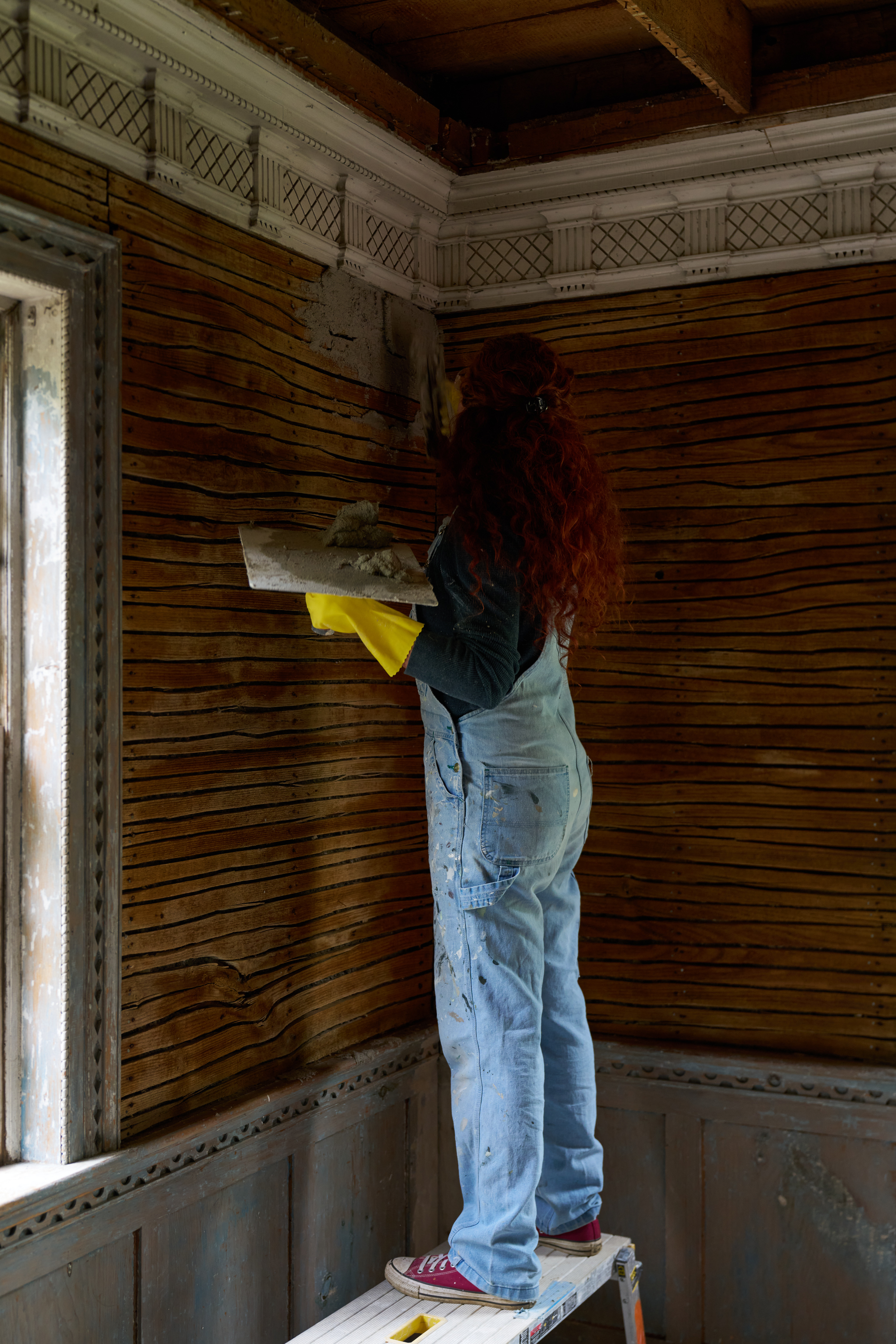
The Second track will be a decorative painting workshop with Maeve Woolley, learn traditional techniques with distemper paints and early stenciled wall painting.  Dive into original wall stenciling discovered at 'The Castle' and learn how to recreate that in the original Parlor. Distemper paint will be used over lime plaster. If time permits, interior painting techniques with linseed oil paints will also be taught during this program.

SIGN UP HERE FOR TRACK TWO!

Track three: Windows 101 with Brouns Galloway Hayward partner Tera Hayward

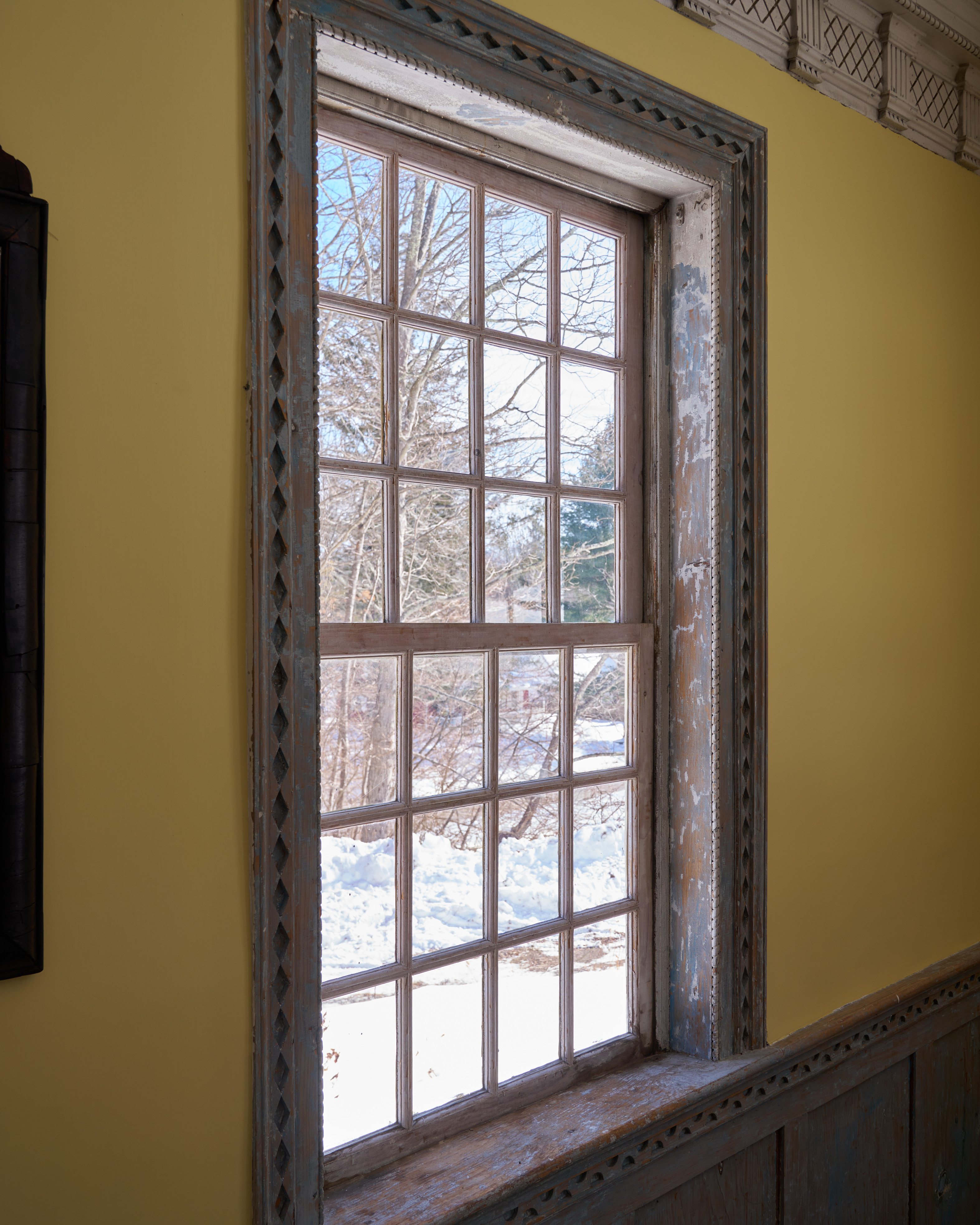
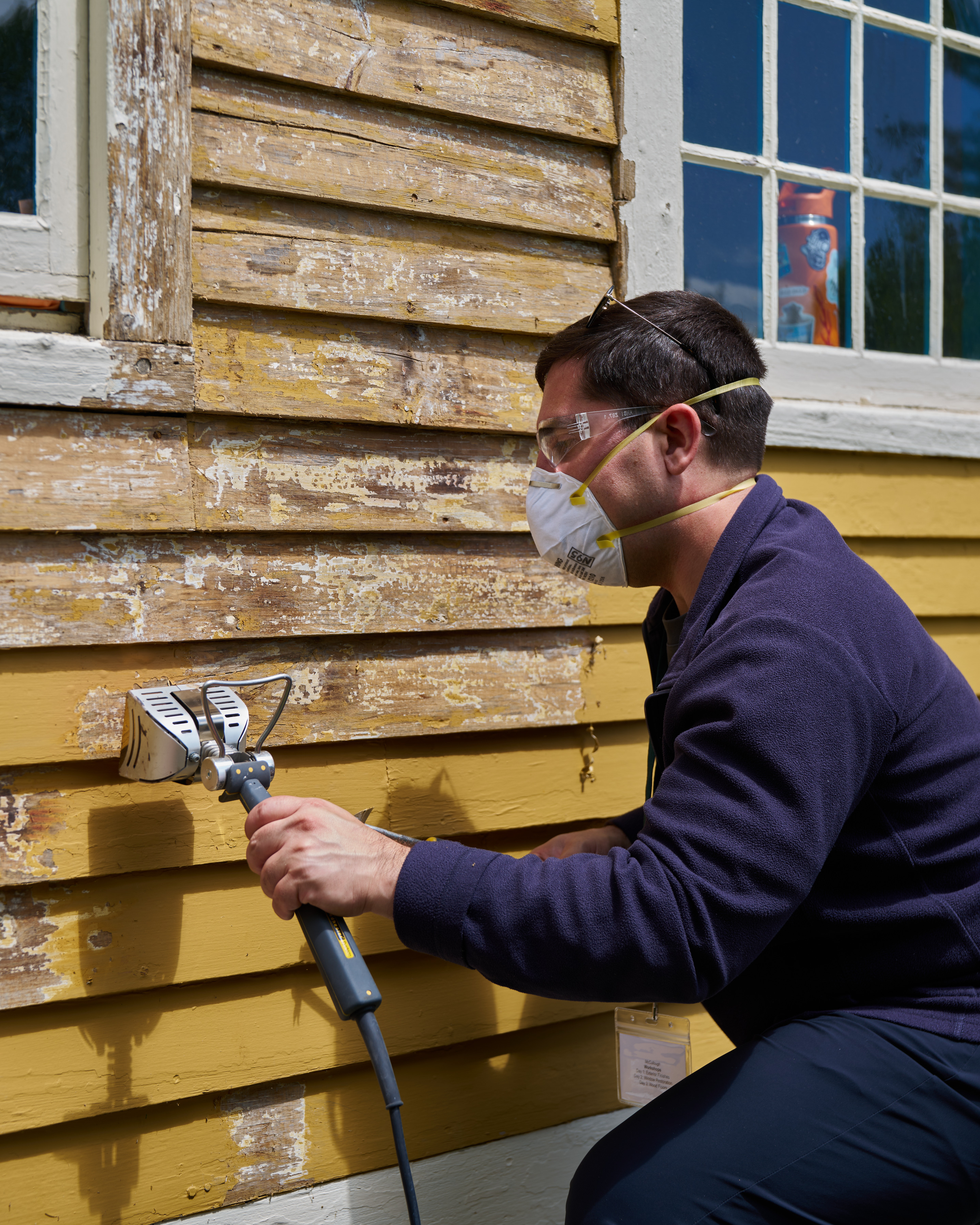
The Third track will be a Window 101 workshop with fellow partner Tera Hayward to help those with limited background in historic window restoration. Learn the basics of sash repair work with Tera including removing sash, assessing needed repairs, glazing techniques, basic wood repairs and linseed oil paint finishes.

SIGN UP HERE FOR TRACK THREE!

Architectural History of "The Castle"
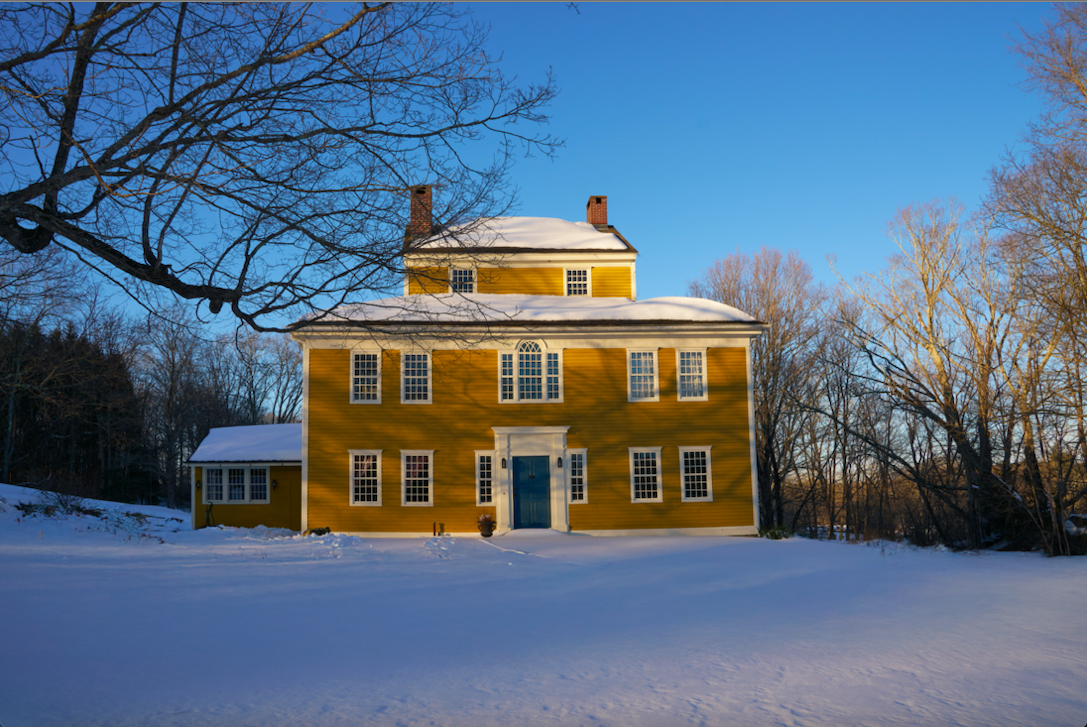
The property known today as The Castle began its history when Squire Benjamin Bosworth acquired the site in 1791, at which time an earlier dwelling already stood on the property. Bosworth most likely incorporated portions of that earlier structure into the present house, undertaking a comprehensive rebuilding and expansion from the time of his purchase through the close of the 18th century. By 1799–1800, the residence had taken on the substantial and refined form recognizable today. This evolving homestead soon became more than a private residence. In the winter of 1800, the house hosted the first Masons meeting in the area, establishing its enduring association with local fraternal history and giving rise to its identity as both a Mansion House and Masonic Lodge. Architecturally, the home is remarkable for featuring the earliest monitor roof in Connecticut, an innovative element that distinguishes it among structures of its era. Inside, fine craftsmanship is on full display. The Parlor contains some of the region’s most impressive period woodwork, carved over the course of an entire winter by Vinni Goodell, a local housewright and carpenter whose elaborate detailing remains a signature feature of the home. For much of the 1830s through the 1860s, another room—now known as the “Boardroom”—served the town in a civic capacity as the local Post Office for more than 30 years, cementing the property’s role at the heart of community life.

This remarkably intact eighteenth-century dwelling exhibits a high degree of architectural and material preservation across its principal spaces. The formal front entry, opening into an early ballroom, represents a rare survival of a socially significant interior plan seldom encountered in domestic structures of the period. The parlor contains exemplary Eastern Connecticut punch-and-gouge woodwork, offering an important regional expression of vernacular craftsmanship. Equally notable is the presence of an original Masonic Lodge room, its historic benches remaining in situ and providing valuable evidence of early fraternal use within a domestic context. The cellar and storeroom retain their original configuration and fabric, contributing to a fuller understanding of eighteenth-century household economy and spatial organization. Throughout the structure, the inclusion of very early Rumford-style fireplaces further enhances its architectural significance, illustrating the adoption of emerging heating technologies during the period. Collectively, these features position the property as a rare and exceptionally well-preserved example of early New England domestic architecture.

Previous Workshops at "The Castle"