

Brouns Galloway Hayward


About Brouns Galloway Hayward
At Brouns Galloway Hayward, we believe historic buildings are more than structures—they are repositories of craftsmanship, memory, and cultural identity.
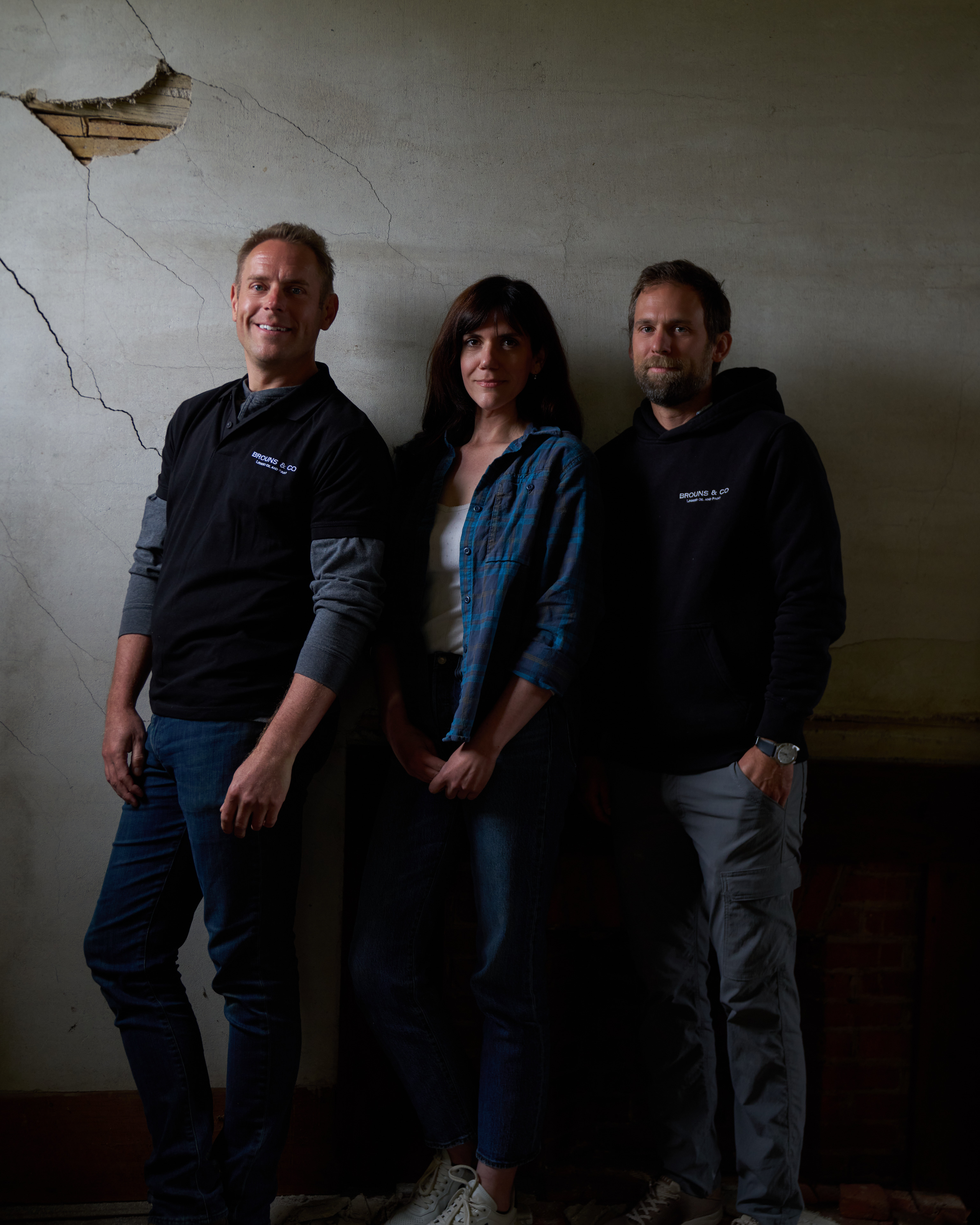
Founded by Peter Galloway, Michiel Brouns, and Tera Hayward, BGH is a preservation consultancy dedicated to helping homeowners, institutions, and communities steward historic places for future generations. Drawing upon expertise in traditional materials, building conservation, preservation planning, and hands-on restoration, we develop thoughtful,
practical solutions that respect both the significance of a building and the realities of its ongoing
use.
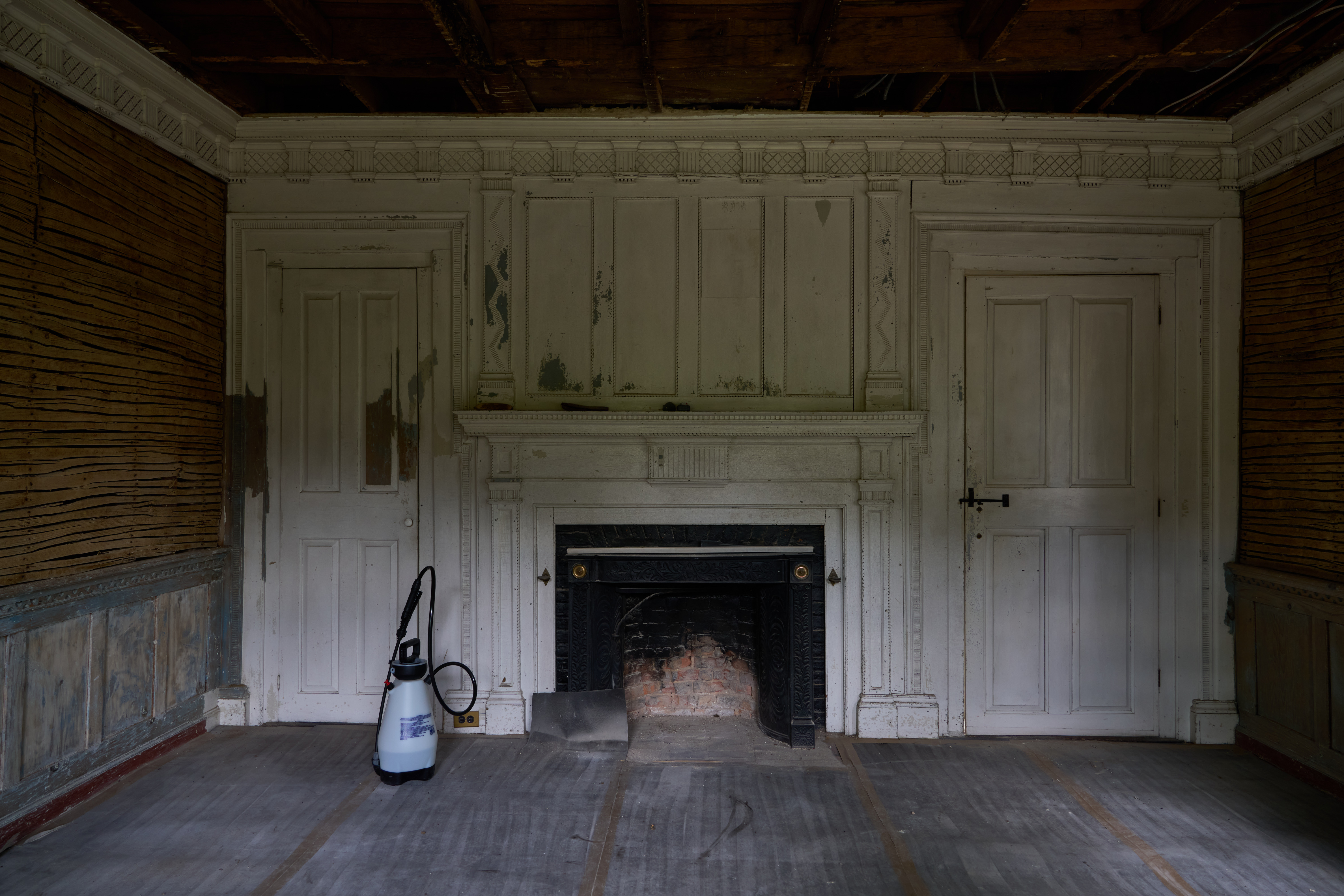
Working across the United States and internationally, we provide condition assessments, preservation strategies, restoration planning, technical guidance, and training programs that empower clients to make informed decisions about their historic properties.
Whether advising on a single building or an entire collection, our goal remains the same: to preserve historic fabric, support traditional craftsmanship, and ensure that meaningful places continue to serve their communities for generations to come.
Principals
Michiel Brouns is a preservation professional, entrepreneur, and internationally recognized authority on traditional building materials. Originally trained as a historic building surveyor in the Netherlands, he has dedicated his career to conserving architectural heritage through the use of authentic, sustainable materials and time-tested craft practices.
After relocating to the United Kingdom in 2006, Michiel founded Histoglass Ltd., a company specializing in glazing solutions for historic buildings. Recognizing the need for durable, breathable, and non-toxic finishes compatible with traditional construction, he later established Brouns & Co., helping to revive the use of linseed oil paint for both historic preservation and contemporary architecture.
Today, Brouns & Co. is a leading manufacturer of plant-based paints and oils, supplying major heritage sites and modern projects throughout the United Kingdom, North America, and beyond. Its products are made from flax grown in northern Europe, formulated without plastics or petrochemicals, and grounded in centuries of proven performance.
Michiel's work has contributed to some of the most significant restoration projects in the world, including Buckingham Palace, Chatsworth House, Windsor Castle, Woburn Abbey, The Old War Office, Mount Vernon, and Poplar Forest. He is widely respected for his expertise in linseed paint—its production, application, and environmental benefits—and is a vocal advocate for transparency and honesty within the coatings industry.
In 2023, Michiel published Linseed Paint & Oil – A Practical Guide to Traditional Production and Application, an authoritative guide for preservation professionals, craftspeople, and homeowners.
A frequent lecturer and educator, Michiel has presented for organizations including RIBA-USA, Association for Preservation Technology International, and American Institute of Architects. He also collaborates with universities, preservation organizations, and training programs to promote sustainable building practices and traditional craftsmanship.
Now based in both the United Kingdom and the United States, Michiel continues to champion healthy building materials, responsible manufacturing, and the enduring value of craftsmanship rooted in nature, tradition, and stewardship.
Peter Galloway is a preservation professional based in Georgia with more than a decade of experience in the restoration and stewardship of historic buildings. A graduate of Clemson University, his passion for historic preservation is deeply rooted in his family's longstanding connections to the Lowcountry, where an early appreciation for eighteenth-century architecture, craftsmanship, and decorative arts helped shape the course of his career.
Peter has led and contributed to the restoration of numerous significant properties throughout the historic districts of Savannah, developing a reputation for thoughtful, research-driven preservation work that balances historical accuracy with long-term stewardship.
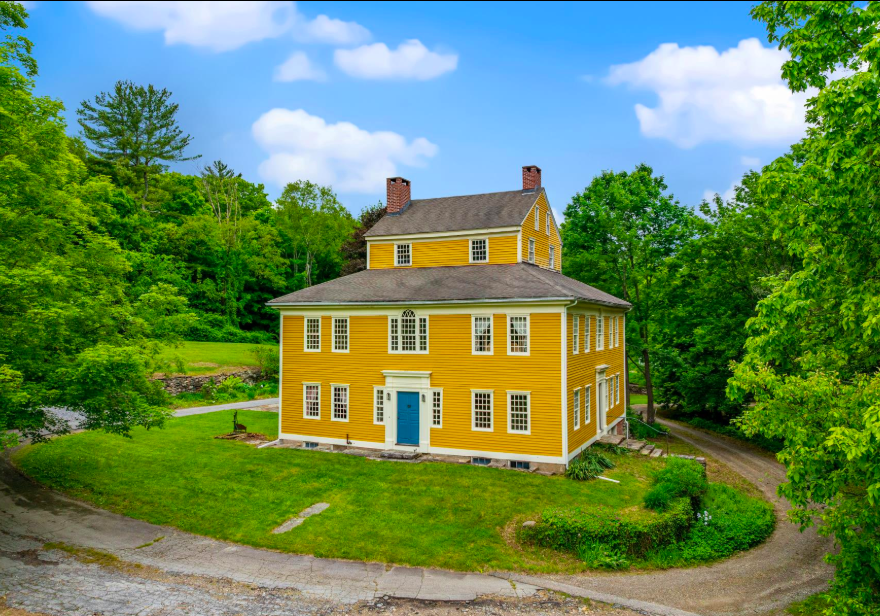
Among his most notable projects was the rescue and relocation of a rare circa 1693 center-chimney house from East Hartford. Threatened with loss, the structure was carefully documented, dismantled, and transported to a vacant site near Forsyth Park, where it was painstakingly reassembled. Peter oversaw the project from dismantling through reconstruction, coordinating extensive masonry, plastering, carpentry, and timber-framing work. Lost architectural features were researched and recreated using eighteenth-century pattern books and surviving period examples, including the front portico and window entablatures.
More recently, Peter directed the complete exterior restoration of an 1871 Second Empire row house in Savannah's Victorian District. The project involved stripping decades of coatings from the historic woodwork, repairing deteriorated elements, and refinishing the building using traditional linseed oil paint systems chosen for their durability, breathability, and compatibility with historic materials.
Peter's work has been featured in publications including Southern Living, Old House Journal, Yankee Magazine, Boston.com, and Historic Homes Magazine. His approach is grounded in a respect for traditional craftsmanship, careful historical research, and a belief that historic buildings remain among our most valuable cultural resources.
Through his work with Brouns Galloway Hayward, Peter continues to advance preservation projects that honor historic fabric, revive traditional building trades, and ensure that significant buildings remain relevant and useful for future generations.
Tera Hayward is a preservation professional with a background in Public Policy and Administration. Her work reflects a deep commitment to the stewardship of cultural and architectural heritage, grounded in both practical experience and an understanding of the policy frameworks that shape preservation outcomes.
At Brouns Galloway Hayward, her work focuses on the conservation of historic buildings and traditional materials, as well as advising clients on appropriate treatments, preservation planning, and long-term stewardship strategies. Her approach bridges hands-on preservation practice with policy expertise, enabling her to guide projects in a manner that is both technically sound and aligned with regulatory and preservation standards.
Tera's perspective is grounded in the belief that effective preservation is both practical and forward-looking—balancing respect for historic fabric with the realities of continued use, maintenance, and change. She brings a thoughtful, standards-based approach to every project, with a focus on authenticity, durability, and the responsible stewardship of historic resources for future generations.