Conservation Studio II

Instructor Bios
Conservation Studio II - Decorative Painting & Stenciling with Maeve Woolley
Course Description:
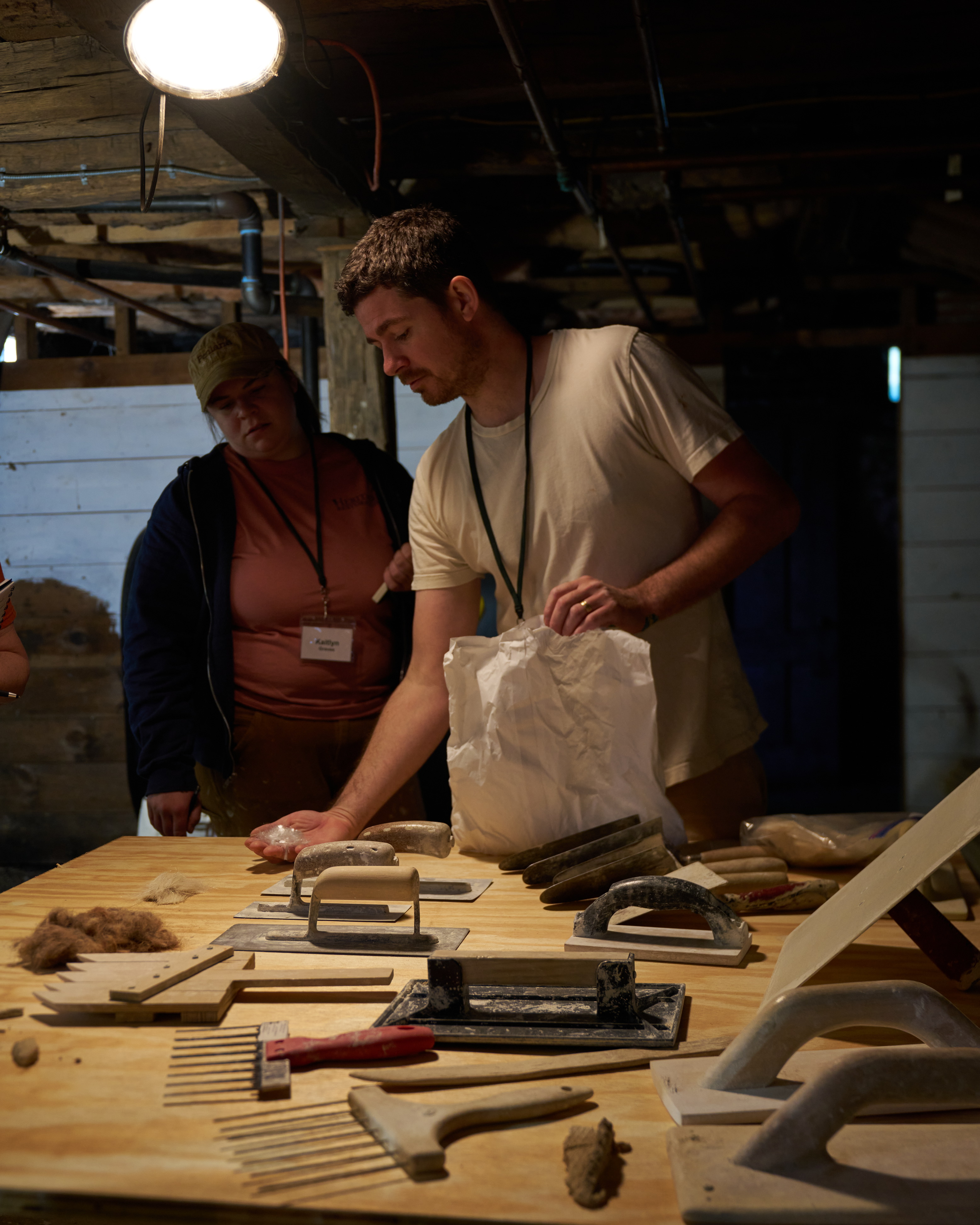
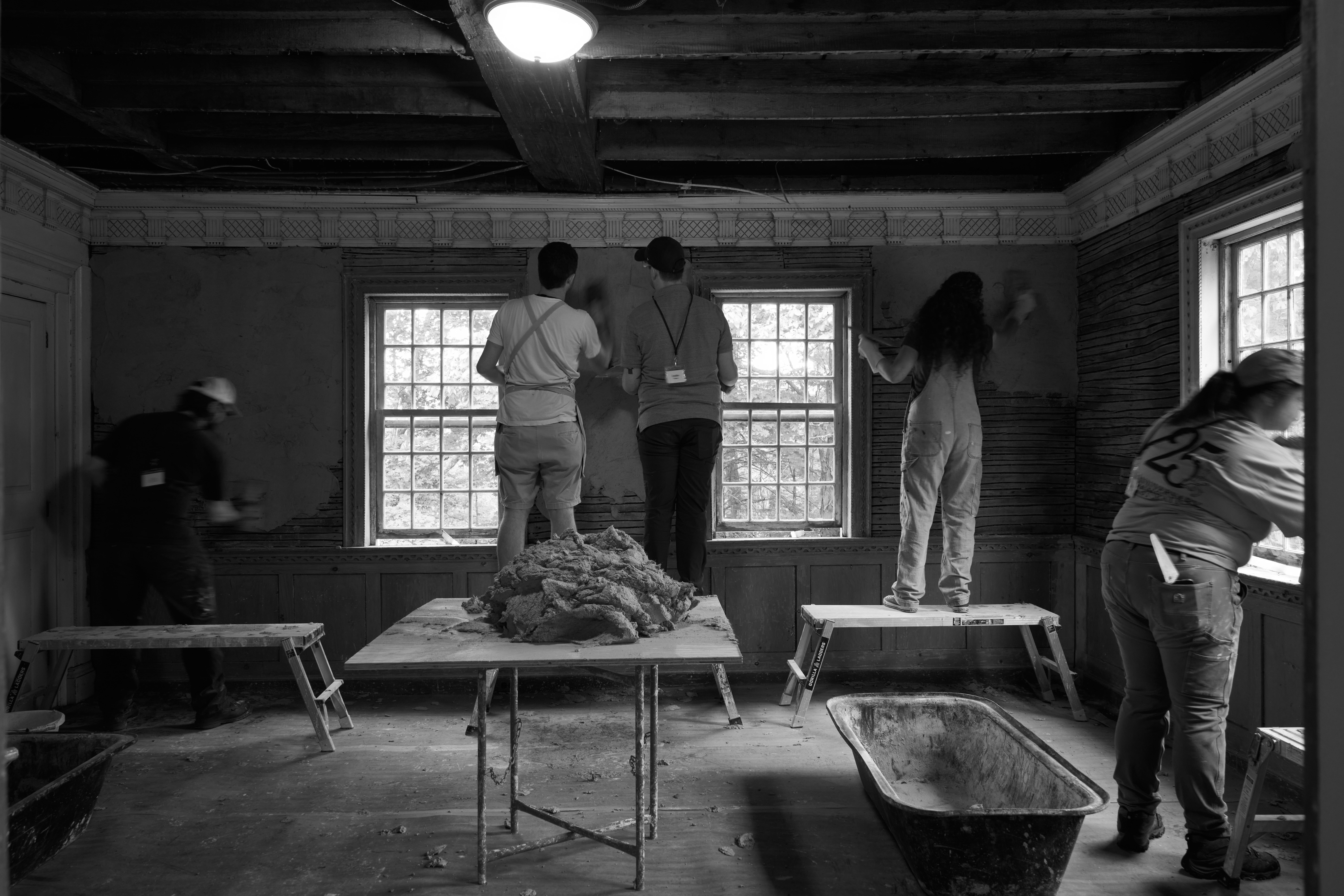
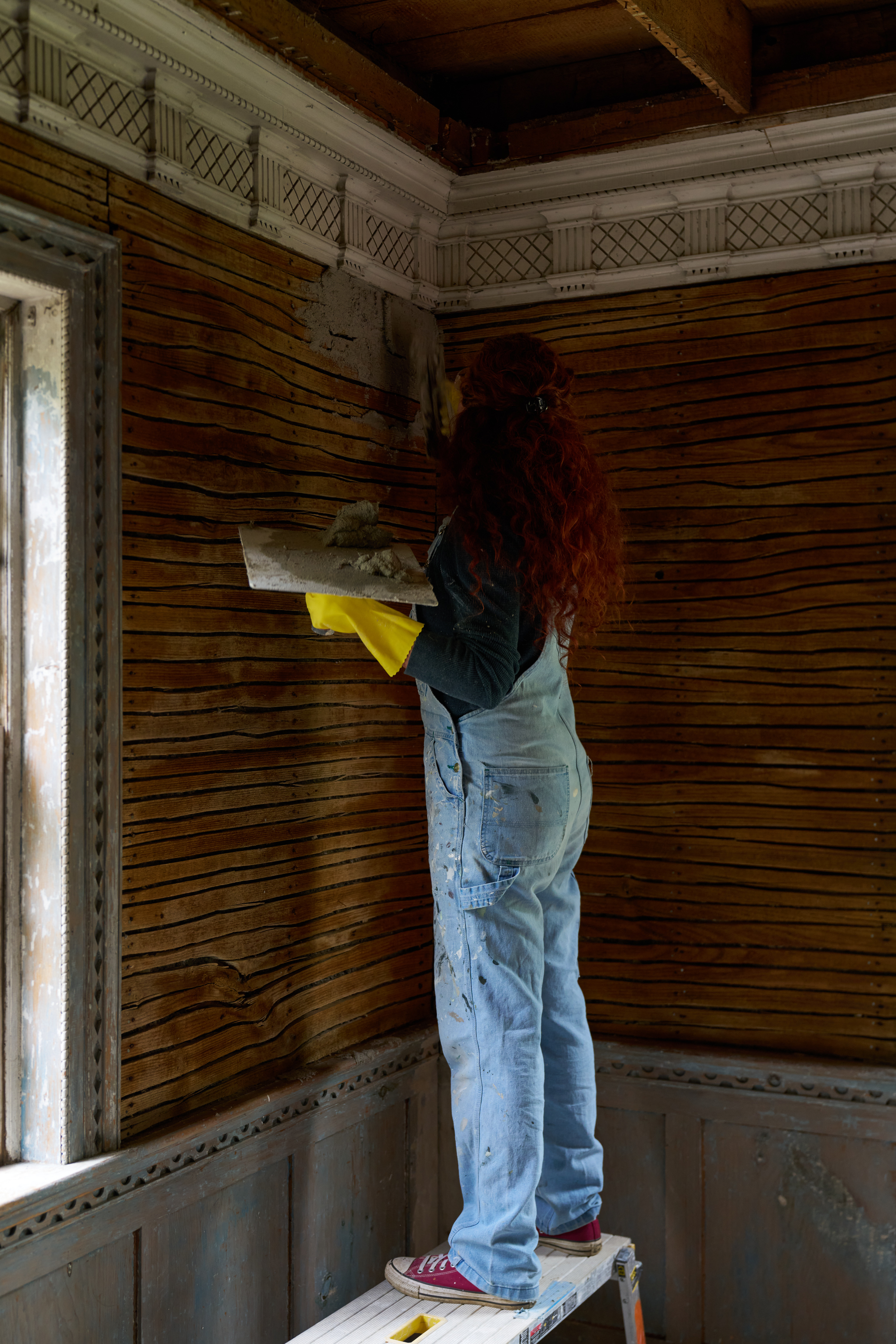
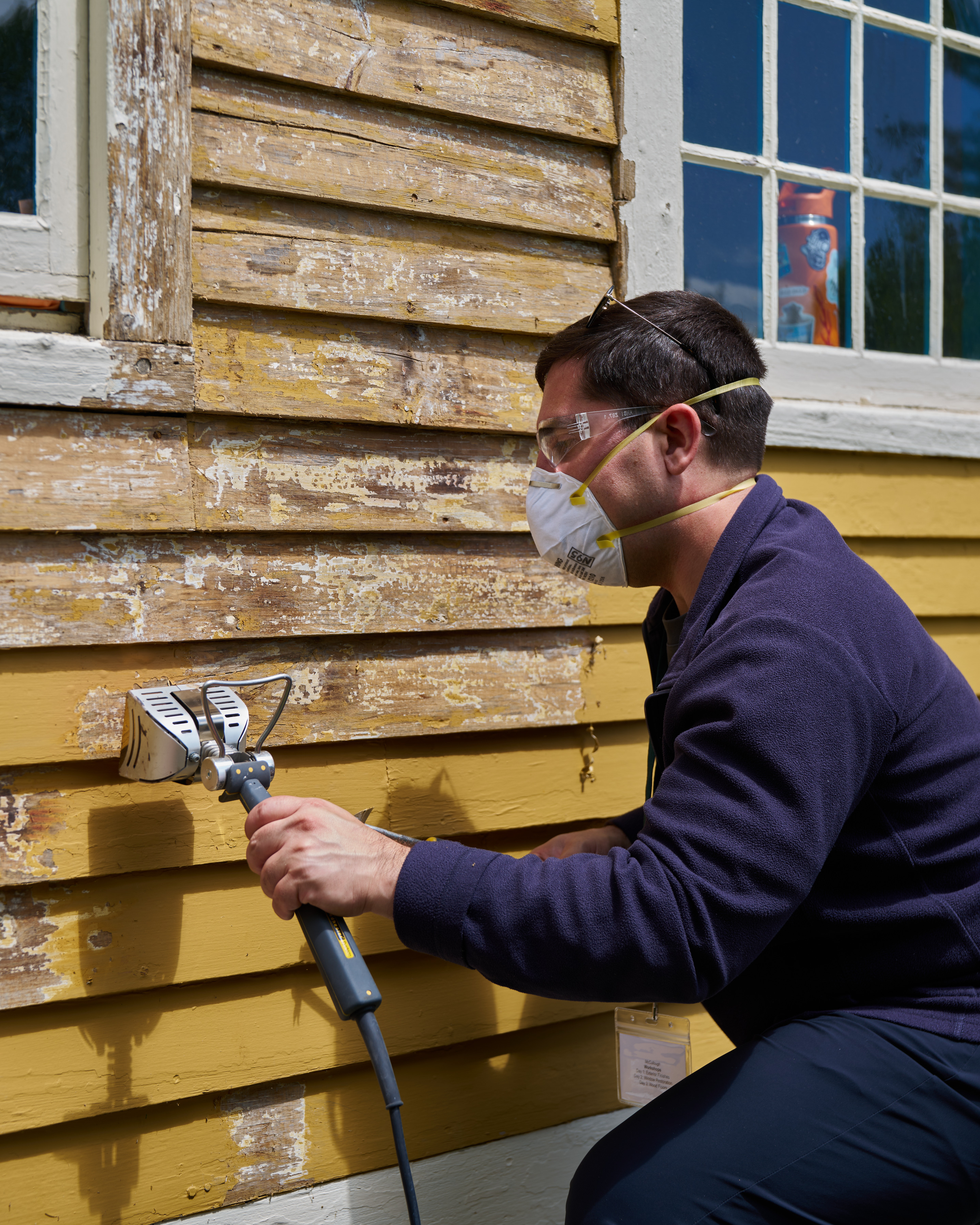
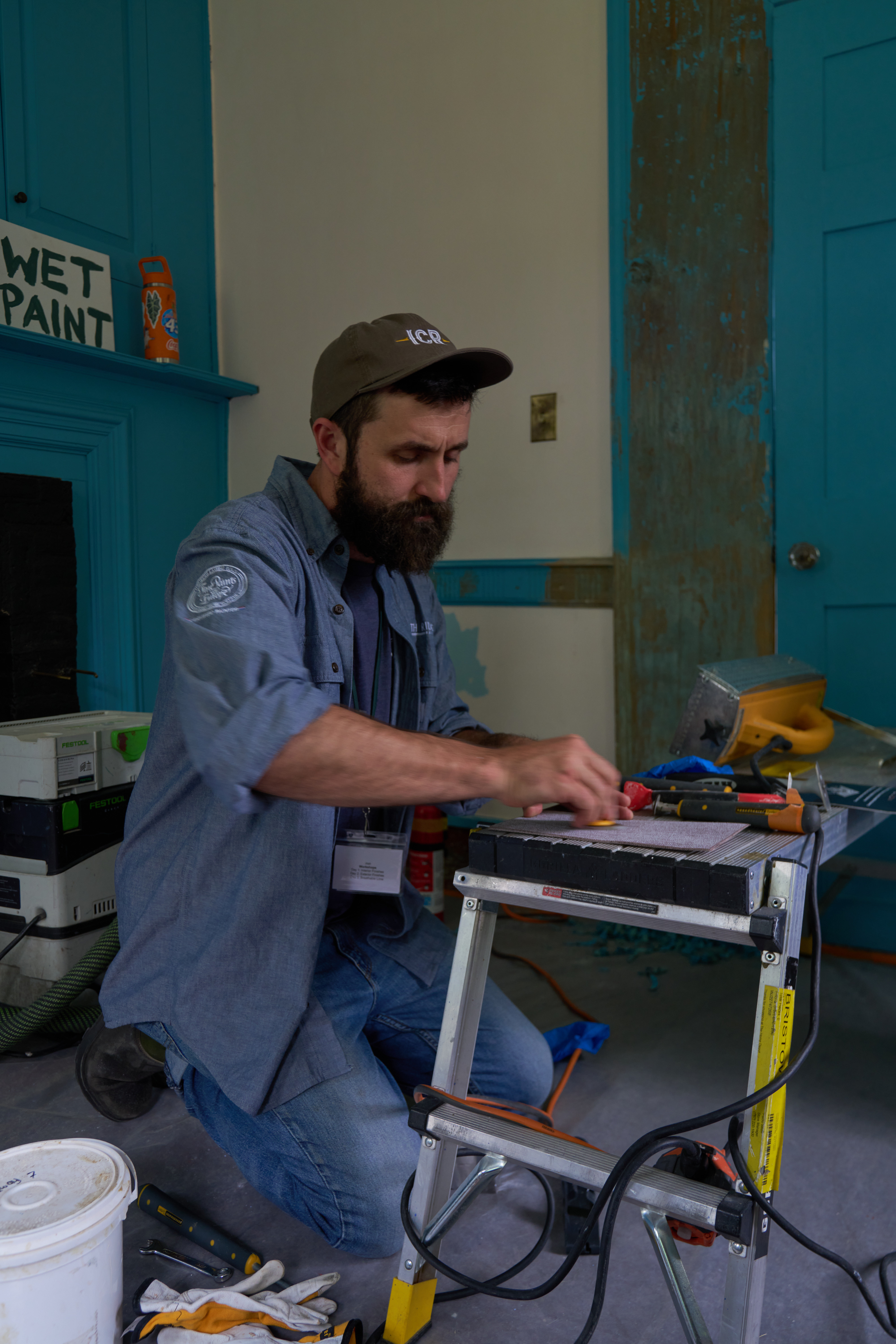
Work alongside master decorative paint conservator Maeve Woolley as original decorative schemes uncovered within The Castle are studied, recreated, and returned to life using traditional materials and techniques. Working within the house itself, attendees will learn traditional distemper painting over lime plaster and assist in recreating historic stencil designs in the original parlor. Through a combination of demonstration and hands-on practice, the workshop will examine the preparation, application, and conservation of traditional decorative finishes. Whether you are a homeowner, artisan, preservation professional, or enthusiast, this workshop offers a unique opportunity to engage directly with the restoration of an authentic historic interior.
By the end of this workshop, participants will be able to:
-Understand the historical role of decorative painting, stenciling, and mural work in
eighteenth-and nineteenth-century interiors.
-Identify common decorative painting techniques and finishes found in historic
buildings.
-Develop basic stenciling and decorative painting techniques using traditional
methods and materials.
-Develop and transfer stencil patterns onto architectural surfaces.
-Understand the principles of layout, repetition, and pattern design used in historic
decorative schemes.
-Recognize evidence of historic decorative finishes and interpret their significance
within a preservation context.
-Understand the composition, characteristics, and appropriate use of traditional
linseed oil paints.
-Evaluate historic painted surfaces and make informed decisions regarding
preservation, conservation, or restoration.
-Apply preservation ethics when working with surviving decorative finishes and
painted surfaces.
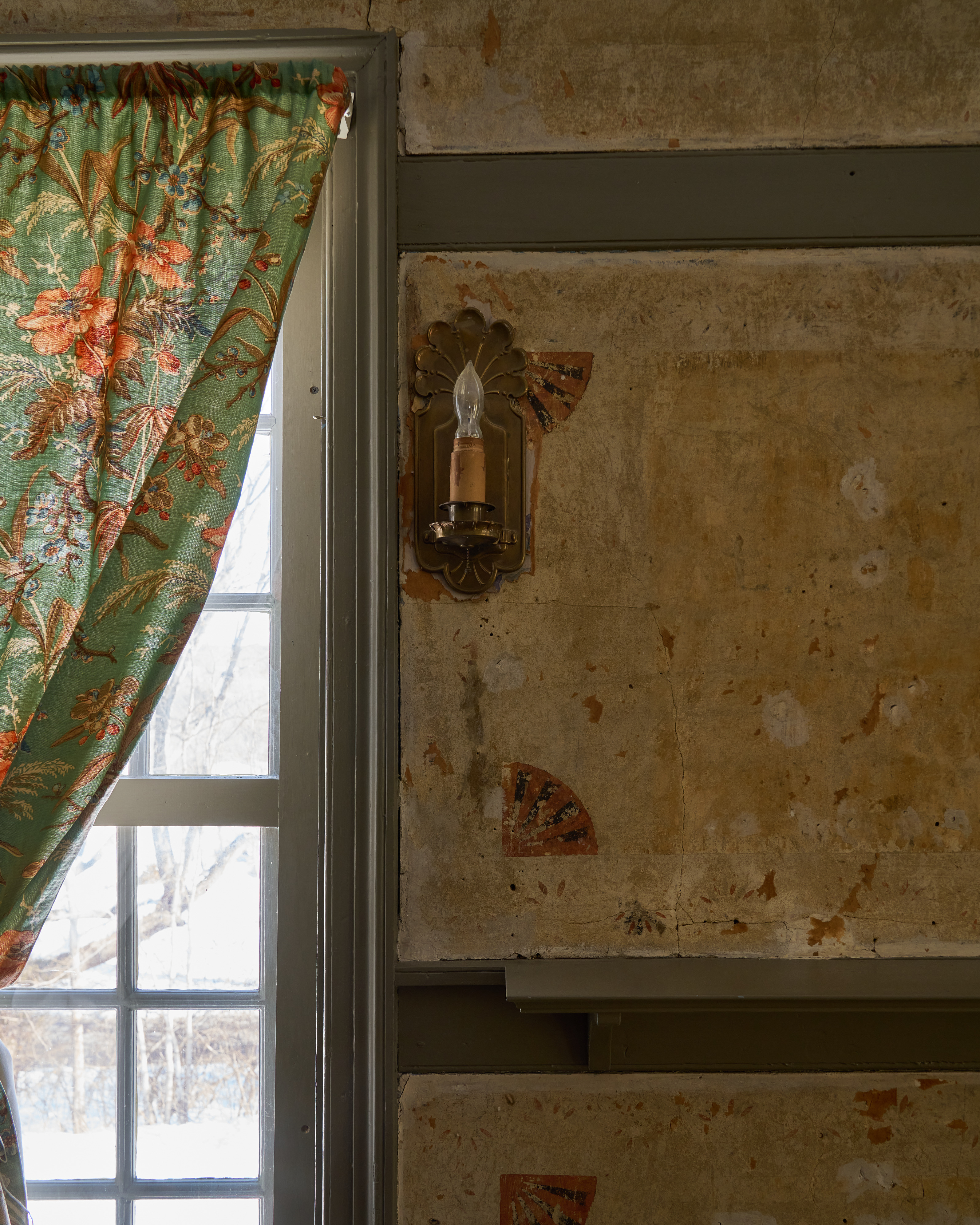
Bonus Lecture: Regional Stenciling and Murals in Early New England
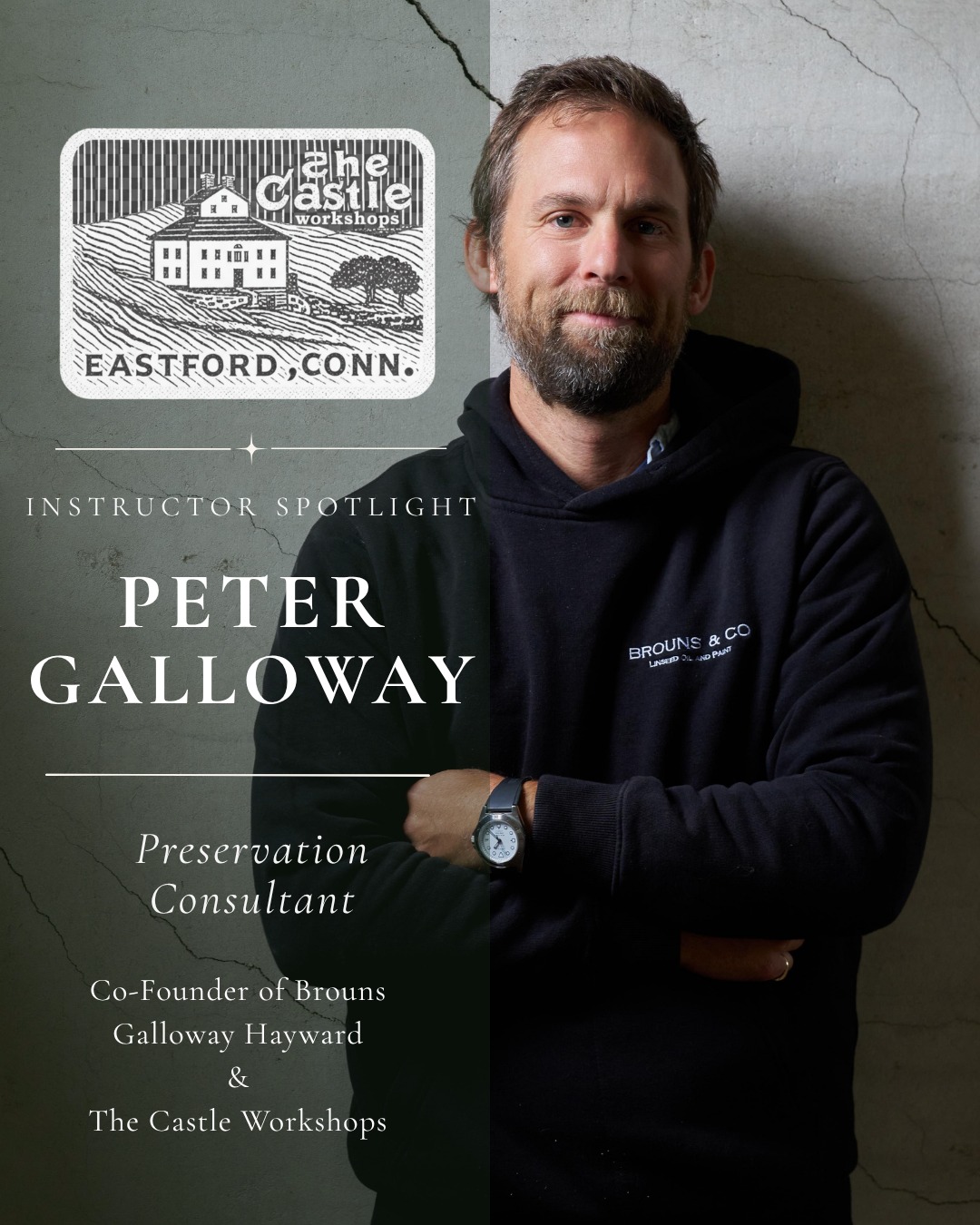
A discussion led by Peter Galloway:
Participants will also join preservation consultant Peter Galloway for a discussion of the
historical precedent for decorative wall stenciling and painted interiors in northeastern Connecticut and the surrounding region. Using examples from The Castle and comparable historic buildings, this session will explore the traditions of wall stenciling, mural painting, and decorative finishes that flourished during the late eighteenth and early nineteenth centuries. Participants will gain a deeper understanding of the cultural influences, artistic traditions, and historic evidence that inform decorative paint analysis and restoration today.
SIGN UP FOR CONSERVATION STUDIO II
Previous Workshops at "The Castle"